
For those disorders that are characterized by low PEA levels (e.g. attention deficit hyperactivity disorder), PEA has been suggested as a ‘safe’ alternative to drugs, such as amphetamine or methylphenidate, which are accompanied by many undesirable side effects. Parkinson’s disease, a condition characterized by dopamine deficiency in certain brain regions, is another area where PEA’s dopamine-boosting effects may hold therapeutic potential. Moreover, PEA has been shown to interact directly with dopamine receptors, potentially enhancing the sensitivity of these receptors to dopamine. This article provides an in-depth analysis of phenethylamine, covering its chemistry, physiological mechanisms, nootropic benefits, dosing guidelines, potential side effects, drug interactions, and important considerations for its safe use as a supplement. There appear to be no legitimate sources for DOI and DOC as marketed drugs in the United States, but DEA notes that these substances are available for purchase from legitimate suppliers for scientific research.
Natural Sources Of Phenylethylamine
Typically, antagonists are first examined in tests of stimulus generalization, as control, to determine whether they might mimic the actions of a training drug (preferably, they should not), or whether they are disruptive to the animals’ lever-responding behavior (i.e., animals’ response rates are monitored). A challenge drug might or might not substitute for (i.e., the challenge drug might or might not be recognized by) the trained animals. Thus, this paradigm, in addition to identifying agents that produce a common stimulus effect, is particularly well-suited to investigate mechanisms of drug action. It also might be noted that although agents that substitute for one another likely produce a common effect (i.e., some aspects of the stimulus properties or “cues” are shared), they need not produce identical effects. For example, animals trained to discriminate the benzodiazepine anxiolytic agent diazepam will recognize (i.e., generalize to or substitute for – the terms being used interchangeably) other benzodiazepine anxiolytic agents, but not opioids, central stimulants, hallucinogens, and so on. Intermittently, generally once per week, and interspersed with continued daily training, reliably-trained animals are administered lower doses of the training drug under non-reinforcement conditions; the animals engender fewer responses on the drug-appropriate lever such that a dose-response curve can be generated and an ED50 dose calculated for the training drug (Figure 4).
Figure 17
(C,E,G) Total number of circling (C), head-twitching response (E), and distance traveled (G) 30 min after acute saline or β-PEA administration. (B) Representative circling patterns (black lines in each gray rectangle) 5–10 min after acute administration of saline or β-PEA. Acute β-PEA administration significantly increased circling and head-twitching behavior in mice. Fourth, we determined whether β-PEA produces a reinforcing effect using a rat self-administration paradigm.
Do not take phenethylamine if you are taking meperidine (Demerol). Meperidine (Demerol) can also increase serotonin in the brain. Phenethylamine increases a chemical in the brain. Use phenethylamine cautiously or avoid using if you are taking medications for depression.
Physiological Mechanisms Of Action In The Body And Brain
More advanced DBH inhibitors are constituted by imidazolethione amines, such as etamicastat 142,143, nepicastat or zamicastat , with low resemblance to dopaminergic amines. Dopamine β-hdroxylase (DBH) is a Cu-based oxidoreductase that controls dopamine transformation into norepinephrine (Figure 2) in several neuron types (like adrenergic or noradrenergic ones) . Branched sulfamides integrating the 1-phenyl-2-phenethylamine scaffold, elaborated by Akıncıoğlu et al. were found to be single-digit nanomolar inhibitors of both type I/II hCA (Figure 8c). Nocentini et al. tested phenethylamine monothiocarbamates 87 and 88 as well as other cyclic derivatives against human CA I/II (hCA), with 26–43 nM activities in type II (Figure 8a) . Several groups have independently used 2-phenethylamine based sulfamides and monothiocarbamates (Figure 8) as CA inhibitors, as frequently targeting a specific CA is related to a certain syndrome or disease, such as glaucoma , obesity , or certain types of cancer .
Dopamine’s Role In Motor Control: Unraveling The Neurotransmitter’s Impact On…
As noted by WebMD, individuals may use phenethylamine to improve athletic performance, combat depression, manage obesity, and address other health issues, although substantial evidence supporting these applications is lacking. Due to its stimulating properties, PEA has been researched for its potential to enhance mood and is sometimes included in dietary supplements. Within the central nervous system, it can facilitate the release of specific neurotransmitters, including dopamine and serotonin, which are linked to mood, motivation, and overall well-being. PEA is involved in various biological processes, functioning as both a neuromodulator and neurotransmitter in the brain. Furthermore, phenethylamine is sold as a dietary supplement, often promoted for boosting mood, aiding in weight loss, or enhancing energy levels. Future directions will include both a complementary report covering synthetic strategies to access 2-phenethylamine derivatives and a second, satellite review of 2-heteroaryl-ethylamines in medicinal chemistry.
1 Chemical Properties Of PEA
The history and current pattern of abuse of DOI and DOC are described in law enforcement reports and anecdotal reports by drug abusers. DOI and DOC are centrally-acting hallucinogens and part of the phenethylamine hallucinogen family and share structural similarities with schedule I phenethylamine hallucinogens such as DOM. In these reports, DOI and DOC are reported to induce hallucinogenic effects, including prominent visual effects. In rats, DOI administration induced an increase in wet dog shakes and back muscle contractions.
Phenylethylamine (PEA): Benefits, Dosage, Side Effects, Drug Interactions, And Other Important Information
- The patient is awake, alert, and oriented, but appears anxious and is fidgeting in bed.
- 3HDOB was a very effective 5-HT2 receptor radioligand but saw somewhat limited application – perhaps because DOB is a controlled (U.S. Schedule I) substance and investigators were required to be licensed to use it.
- There is significant diversion of the drug or substance from legitimate drug channels.
- One hypothesis proposes that dopamine contributes to the development of schizophrenia (Howes & Kapur, 2009).
- Based on these findings, one could speculate that β-PEA also produces a positive affective state via stimulation of the striatal dopaminergic system.
- The concept of the blood–brain barrier (BBB) was proposed as early as 1900 by Lewandowsky14 (reviewed15) but was not fully appreciated for many decades to come.
The effects of 2C-B can vary based on dosage, individual physiology, and set and setting. And like any psychedelic journey, there are potential pitfalls.(5, 6) Phenethylamines are a diverse class of organic compounds with a common chemical structure derived from phenethylamine. An observational study titled Acute Pharmacological Effects of 2C-B in Humans has also described their effects.(1, 2, 3, 4)
Hallucinogen abusers may develop psychological dependence as evidenced by the continued use of these substances despite knowledge of their potential toxic and adverse effects. However, in animal drug discrimination studies, DOI and DOC produced effects that are similar to the effects elicited by schedule I hallucinogens such as DOM, LSD, and DMT. Importantly, it is impossible to know if the street drugs sold to an individual as DOI or DOC are actually the substances they are marketed as in the absence of chemical analysis or evaluation of biological fluids following ingestion. Additionally, animal testing data in rats show that DOI and DOC fully substitute for DOM, LSD, and DMT discriminative stimulus effects in drug discrimination tests. Thus, paying attention to dopamine releasing effect of phenethylamines is an important clue in understanding risk for habituation, re-enforcement, or addiction. It is release of dopamine in the central nervous system that is thought to drive the habituating and addictive potentials of amphetamine.
Phenylethylamine Clinical Research
With regards to amphetamines, Luethi et al. investigated oxidative stress in HepG2 cells, highlighting, for example, the ability of amphetamine, 4-fluoroamphetamine, and 4-chloroamphetamine to increase mitochondrial superoxide levels . Not having planned metabolite genotoxicity studies certainly represents a limitation in our work which future studies will have to overcome. These results agree with those obtained by Yoshioka et al. on a hamster pulmonary fibroblasts cell line (CHL/IU), where the authors demonstrated, by the MN test and by the chromosomal aberration test, the genotoxicity of N-nitroso-3,4-methylenedioxymethamphetamine (N-MDMA), but not of the MDMA as such.
These supplements typically come in the form of capsules or powders and are often marketed for their potential mood-enhancing and cognitive-boosting effects. Some research suggests that PEA may help suppress appetite and increase metabolic rate, although more studies are needed to fully understand these effects. Interestingly, PEA has also been studied for its potential effects on appetite and weight management. These cognitive benefits may be partly attributed to PEA’s stimulatory effects on the central nervous system and its ability to increase dopamine and norepinephrine levels.
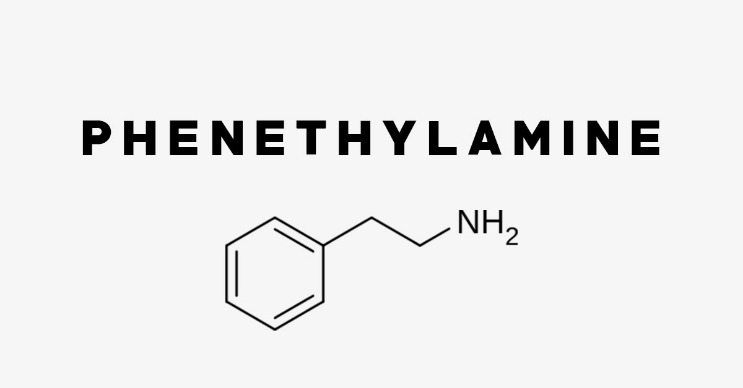
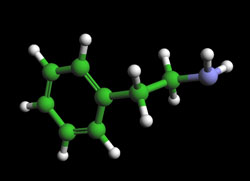
Many of these psychoactive compounds exert their pharmacological effects primarily by modulating monoamine neurotransmitter systems; however, there is no mechanism of action or biological target that is common to all members of this subclass. Some authors have postulated that phenethylamine plays a role in affection without substantiating these claims with any direct evidence. Phenethylamine is sold as a dietary supplement for purported mood and weight loss-related therapeutic benefits; however, in orally ingested phenethylamine, a significant amount is metabolized in the small intestine by monoamine oxidase B (MAO-B) and then aldehyde dehydrogenase (ALDH), which converts it to phenylacetic acid.
Studies such as those described here, as well as those of other investigators, attempt to unlock the mechanism(s) of action of these agents so that effective treatments might be identified for their abuse, and to provide data that can be used in forecasting and controlling agents that have yet to appear on the clandestine market. However, the potential for specific agents acting by a combination of these mechanisms represents nuances that require further investigation. Many of the agents are abused substances, others possess mechanistic attributes that (internally – SERT vs DAT action of a given agent) temper, or potentiate (i.e., 8-OH DPAT), these actions, and the actions of some agents probably involve multiple mechanisms.