In this article, we’ll dive deep into the hidden world of the Dark Web, exploring its origins, structure, purposes, uses, risks, and the fascinating (and often dangerous) things that exist within it. KEY TAKEAWAYS Whether you are using Android or iPhone, you can easily access the dark web on your ph… KEY TAKEAWAYS If you live in a country where you don’t have internet freedom and face extreme … The internet contains so much more that we cannot see or comprehend.
Other terms for the surface web include the visible web, lightnet, or indexed web. However, there are additional “levels” of the internet beyond that top level. So, why would someone not want their website to be picked up by a search engine? With this knowledge, you can continue to browse online with confidence.
Help Address Today's Biggest Cybersecurity Challenges
The term “dark internet” can mean a lot of different things to a lot of different people. Then, there are the dark web users who partake in truly startling illegal activities. This clandestine section of the internet can only be accessed through “darknets”, special networks that only individuals with the proper software, hardware, or clearance can utilize. However, the surface web contains about 4 to 5% of the internet’s content. While the Dark Web hosts illegal activities, it also supports legitimate uses like protecting free speech and aiding cybersecurity. Although the Dark Web enables absolute privacy along with forbidden content access it functions as a dangerous domain where illegal operations create ethical dilemmas and legal complications.
Although not visible to search engines, these resources are typically legitimate and require credentials, subscriptions, or specific queries to access. The deep web refers to all web content that is not indexed by search engines. This includes news sites, blogs, online stores, and social media platforms. A dark web browser, like the Tor browser, is designed to access hidden networks. Despite the sinister name, the Dark Web is only one part of the overgrown internet that is much larger than what most search engines show.
Commercial Services
The Dark Web refers specifically to websites and services hosted inside Darknets. Downloading the wrong file from the dark web can install malware that can steal your personal information, lock you out of your data, or monitor your activities. The deep web encompasses all parts of the internet that aren't indexed by traditional search engines. While you might be able to find websites on the clear web advertising drugs, stolen data, or weapons, these sites are few and far between.
Do CISOs Need To Rethink Service Provider Risk?
Viruses and hacker forums are prevalent, with various types of malware and opportunities for illegal hacking services, which could compromise your personal devices. While the dark web can serve as a platform for legitimate content and privacy, it’s also a space where safety can be compromised. The dark web often carries a negative connotation, largely due to its association with illegal activities. This part of the internet also uses advanced encryption, which helps both those visiting and hosting sites to stay anonymous.
Dark Web Activity Breakdown By Category
What should you do if your information is found in a data breach or you think it’s been leaked somewhere? Cybersecurity teams comb through these breaches and incorporate their findings into their security software, helping people like you. When data brokers get hacked, the stolen data can include compromised credit cards, social security numbers, and other data, depending on what was exposed in the breach. To check, you can use dark web scanning or breach detection tools like Avast Hack Check or LifeLock Breach Detection to search for compromised data. The dark web can certainly be dangerous — with no regulation, it’s a riskier place to hang out than the surface web.
How Many People Are Active On The Dark Web?
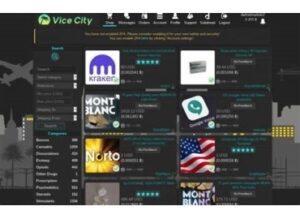
You are able to find websites on the surface web because they are marked as “indexable,” meaning search engines can index and rank them. Instead of turning to the dark internet, many people combat this by purchasing VPNs, or virtual private networks, which help enhance one’s privacy online. While those places may have been sources for a lot of controversy and illegal atrocities, they were both considered a part of the regular internet as opposed to being dark internet websites. People living in countries with internet censorship can access news through these websites as they are untraceable due to high security. But, it is also known for the notorious illegal activities like the black market for drugs, selling of stolen data, and hacking services. The websites that are accessible through Tor have a “.onion” domain and maintain the user’s anonymity.

Generative AI Is Making Attacks Easier For Those Less Schooled In Technology
Navigating the dark web requires extra layers of privacy, not just because of its content but due to legal scrutiny. Think of it as the internet’s wild card. If you’ve ever checked your medical results online through a portal that required a login, you were navigating the deep web. But even though it seems like there’s a lot out there, this only makes up about 4% of the entire internet.
- This architecture creates a space where identities can be obscured and transactions hidden from prying eyes.
- Estimates suggest around 43% of dark web content and activity is legal, but finding it requires a specialized dark web search engine.
- However, finding information can be challenging as the dark web doesn’t use a centralized index to locate content.
- Social networks, such as Facebook, have created dark web versions of their sites to address privacy problems related to their surface web versions.
As SentinelOne continues to evolve, it helps mitigate security risks by blocking suspicious activities and alerts your teams before damages occur. It enforces compliance with regulatory standards like SOC 2, NIST, and CIS Benchmarks while identifying sensitive data exposures. You can apply automated actions to control and secure access to sensitive data. The confusion comes from the fact that both are invisible to search engines, however, the usage of the dark web requires specific software such as the Tor browser.
Table Of Contents

Even if the Tor node fails, your data won’t be exposed because the VPN’s encryption still holds up. The entry node encrypts your traffic, and it bounces across several nodes in the Tor network until it reaches the exit node. While the Tor Browser is great and safe, it’s not as great as another component – a VPN. Compare this to getting on the dark web and the way that part of the internet works.
The anonymity provided by the Tor network allows individuals to trade illegal goods and services without fear of identification. These websites do not appear in traditional search engines, and their addresses are often a string of seemingly random letters and numbers. Users must also navigate through .onion websites—domains that are specifically set up for use within the Tor network. It’s made up of websites indexed by search engines, such as Google, Yahoo, or Bing. The Dark Web refers to a specific section of the internet that exists on an encrypted network, intentionally hidden and accessible only through specialized software. VPN services with a no-logs policy ensure that the service will not share any records of what you do online, and you don’t need to worry about stored data.

In fact, I2P designed its own domain ending structure, called “eepsites.” Supreme Court will allow the FBI to search and seize any computer that’s using the Tor browser or VPN. Another great source to find and explore dark web marketplaces or other sections is to visit Reddit’s resourceful forum. The last thing you need to do is to start researching vendors and determine what marketplace is a possible vendor to buy the products from. Click on “Safest.” As you’ll see, JavaScript and a few other features will be automatically disabled on all sites. If you want to buy something on the dark web, it’s a best practice to create a fake identity.
For totally hiding all of your online antics, you’ll want to also use a VPN. These can all also make use of Tor’s anonymity features. Other options are the Freenet and I2P (Invisible Internet Project) peer-to-peer networks, both of which provide censorship-free communications. Using a VPN is perhaps the easiest and most efficient way to protect your online travels from prying eyes, as it hides your real IP address, and encrypts all of your online traffic.

This article dives deep into 2025 dark web statistics, offering a clear, data-driven view of what’s happening below the surface. The Dark Web and Darknets offer valuable spaces if you value privacy, freedom of speech, or research security technologies.If you misuse them, the consequences can be severe. Search engines do not index these sites and use domains like .onion (for Tor) or .i2p (for I2P). Unlike the Deep Web, Darknets are intentionally hidden and designed to preserve privacy and anonymity. There are estimated to be 1.1 billion websites on the Surface Web as of 2025 (Internet Live Stats).

Whistleblowers can leak secrets on the dark web using sites like The New Yorker's Strongbox, reducing the risk they'll be tracked down. But there are other darknets designed to serve other purposes, like file sharing networks designed for secret sharing of pirated software and media files. They use Tor's anonymity to cloak themselves, hiding where the server is located–assuming the server is configured correctly. The dark web exists on darknets, which are "overlay networks".