They’re now a cornerstone of crimes like synthetic identity fraud. It's why we created the world’s most advanced AI-based document fraud detection, and some of the biggest identity verification services around rely on us to keep their customers safe. Use identity monitoring tools to help you catch fraud early. The potential of using the forensic profiles of Australian fraudulent identity documents to assist intelligence-led policing
The Rise Of Synthetic ID Fraud
- In order to make a case for natural-born citizenship, a new identity seeker needs to be able to show that they were born in this country and that their name/birth date/location of birth matches their new identity.
- Hospitality venues rely on third-party verification services to document fake ID attempts and share patterns with local authorities.
- But, like every powerful tool, as explained, technology has a dark side—and fake IDs are a perfect example of this.
- Document fraud significantly impacts broader society, creating risks far beyond immediate legal consequences for individuals involved.
- This makes detection more difficult, as there’s no individual to report fraudulent activity.
Additionally, use of AI-generated fake ID images often comes with specific digital behaviors which can be monitored and flagged in the digital identity verification process. To deter potential AI-generated fake ID buyers from purchasing, the identity verification industry needs to demonstrate that our solutions are advanced enough to spot them, even as they increase in quality. Easy-to-use tools such as Thispersondoesnotexist make it simple for anyone to cobble together a quality fake ID image and a synthetic identity. In the US, organizations large and small deploy digital and physical scanning to stop fraudsters using fake IDs.
IV Motivations And Background For Using Fake IDs
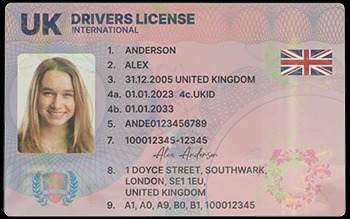
These services are purportedly used to create and unlock cryptocurrency accounts and accounts on other websites, such as food-delivery services, using false identity documents. But in the latter quarter of 2023, we observed a threat actor with a credible reputation offering deepfake ID verification videos and manipulated ID photos. Several underground services exist where users can purchase photos of people holding up items to the camera, upon which fraudulent documents can be superimposed. Threat actors almost certainly will continue to try and implement the technology in their fraud schemes, whether from illicit services or by repurposing legitimate tools and software for illegal activity. The capabilities and quality of AI image and video generators will continue to climb but so will the capabilities to detect fakes.
- Chargebacks are one of the most immediate consequences of fake ID use.
- Ultimately, it will be up to the service provider using an identity verification service to determine what is the lowest amount of confidence that can be considered acceptable in accepting an online customer application.
- We provide automated, AI-powered systems designed to verify an individual’s identity quickly and accurately.
- These identities would allow fraudsters to create fake IDs using real personal information such as name, address, and date of birth.
Looking Ahead: The Future Of Identity Verification
Conversely, March and February have the lowest rates of fake ID usage, roughly ⅓ of the numbers seen by dispensaries in April. While 4/18 and 4/19, the days leading up to the counterculture “holiday” don’t experience higher-than-normal usage of fakes, there does seem to be a “hangover” on 4/21, with most dispensary customers still showing an elevated number of suspicious IDs. Unsurprisingly, dispensaries see the highest number of fake IDs used in April, with usage spiking on 4/20. Over the summer and during the holidays typically coincide with a fall in fake ID rates at these types of bars, as students return to their hometowns.
Types Of Identity Theft Protection Services
So, while a fake ID offers you the best experience, don’t get so carried that you forget to be on guard. You don’t want to get fined, work hours of community service, or worse still, serve a jail term for getting caught with a fake ID. Our fake IDs are created from a range of materials including PVC, Teslin and Polycarbonate. We are a worldwide distributor of customized fake IDs and have a reputation as an industry leader.
The AI being used to create these fraudulent IDs has trouble with the intricacies of managing the differing templates and data syntax across states. It is clear that the higher catch rate for AI-generated IDs is, in part, because they aren’t as methodically produced as more traditional versions, which fraudsters have had a long time to refine. In our study, we caught 99.6% of AI-generated fake IDs. With this in mind, IDScan.net took to the dark web and purchased 200 ID images, putting them to the test against the latest in identity verification solutions.
Stolen And Leaked Personal Data
Add to this the lost inventory from fraudulent sales, and the financial damage becomes even harder to ignore. When minors or fraudsters make purchases that later get disputed, businesses are stuck footing the bill. Chargebacks are one of the most immediate consequences of fake ID use.
Real-World Examples Of Significant Law Enforcement Operations
As deepfake technology improves, businesses need fraud prevention solutions that go beyond traditional ID verification. Without strong synthetic fraud detection measures in place, businesses may unknowingly approve loans, credit cards or accounts for these fake identities. Unlike traditional identity theft, where a criminal steals an existing person’s information, synthetic identity fraud involves fabricating an identity that has no real-world counterpart.
Identity Theft
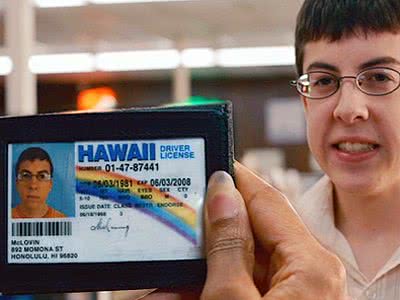
The leaps in the last few years in generative artificial intelligence models are being applied to creating bogus or fraudulent identities. The latter is sometimes referred to as “liveness” detection, and is one of the primary ways that identity verification services assess whether the person presented is indeed the person on the displayed identity document. But increasingly, organizations rely on online identity verification where an organization never lays hands on a driver’s license or utility bill or sees someone in person. Verifying identity is important for compliance, trust and evaluating risk, and in many places, it’s also a binding obligation.
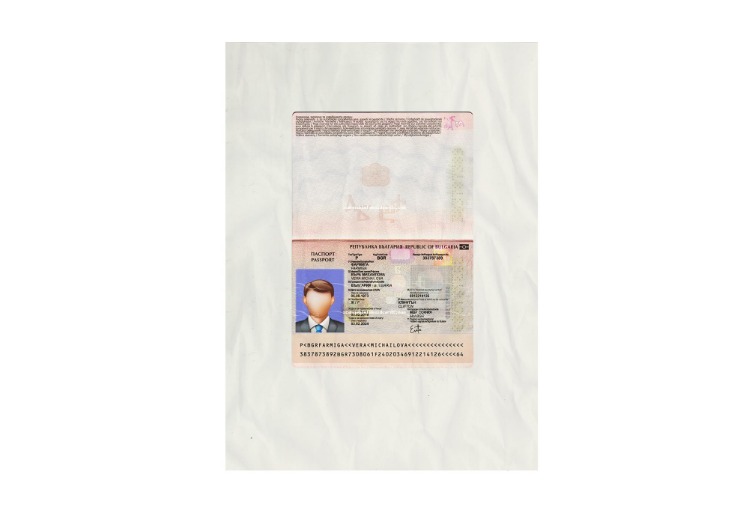
Protect yourself from online attacks that threaten your identity, your files, your system, and your financial well-being with our exclusive offer for Malwarebytes Premium for Lock and Code listeners. Making fake IDs, even photos of fake IDs, is a very particular skill set—it’s like a trade in the criminal underground. Those images, in turn, could then be used to fraudulently pass identification checks on certain websites. Last month, the technology reporting outfit 404 Media investigated an online service called OnlyFake that claimed to use artificial intelligence to pump out images of fake IDs.
Meanwhile, in Phoenix, Arizona, authorities traced a series of identity theft cases to a single source of fake IDs. The proliferation of sophisticated fake IDs undermines the very foundation of our identity verification systems. FBI reports indicate that 65% of major financial fraud cases in 2023 involved fake identification documents at some stage.
How Fake IDs Are Made And How To Spot An AI-Produced Fake ID
It’s no longer enough to rely on database checks when the data may be real but the person and document are fake. In fraud or financial crime, there’s rarely a silver bullet, and that’s why you should always take a layered approach to defending your castle. We’ve documented many of these in our serial fraud white paper, which covers the scope of automated, repeated document fraud that the financial industry now faces as well as many different variations of automated fraudulent documents like those produced by OnlyFake. It promised to heavily streamline the creation of fake documents, and bring, as the developer stated in its Telegram account, “The era of rendering documents using Photoshop … to an end.”