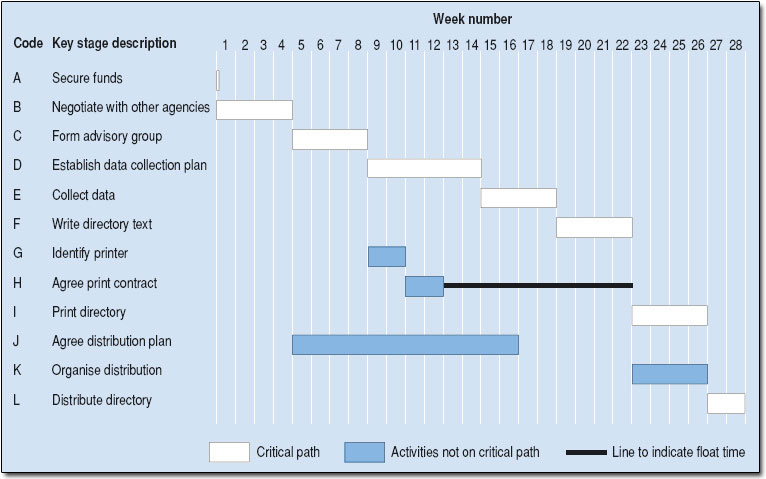
In fact, its main focus is task management, which is an integral part of project management and is an ideal tool for simple projects being managed by smaller teams. Properly delineating projects and programs is crucial for organizations managing both types of initiatives to achieve strategic goals. That means they manage multiple project teams, but also in many cases the project managers for those projects within his program. Use multiple project management tools such as Gantt charts, kanban boards, timesheets and dashboards to track projects, programs and portfolios. Both Microsoft Planner and Microsoft Project manage project management tasks but they are different enough to warrant a comparison of their features and functionality.
Therefore, it’s used for simple task management and can help with project management through time management. It’s more powerful, has more features and is the preferred project management software for very established companies that run big projects. It’s more comprehensive and built to manage more complex projects with more complex tools that use time-phased scheduling for medium to large-sized teams. Microsoft Project users can create projects, track tasks, generate reports to monitor progress and manage resources and costs.
The Principles Of Process Management
Leaders must align the structure to the business context and strategic goals. Since the team members basically report to more than 1 manager, the amount of authority divided between the two managers defines the type of matrix. Projectized organizations suit environments focused on projects versus core operations. This structure is common in consultancies, construction, and other fields where a team comes together to accomplish a defined project and then moves on to different projects. Communication flows horizontally between team members, with the project manager as the hub. For organizations operating a functional structure, project managers have limited authority and cannot dictate resource usage across functions.
Further, this software is ideal for teams that require an extra boost of organization. Detailed planning capabilities and the ability to set up meetings with other people in the system make this software a favorite of managers and professionals. The software has enough basic features that will help a small-scale team to get things done.
Pros And Cons Of Microsoft Project Vs Planner
Use this free Multiple Project Tracking Template for Excel to manage your projects better. Now that we’ve outlined the main differences between a project and a program, let’s now discuss how they’re managed. Here are some of the most fundamental differences between a project and a program. Related words are projects, projected, projecting, projection. The plural form is projects.
A Projects Vs A Process: Key Differences
You can plan everything, starting with who should be present at the meeting and what time it should start and end. This makes it the ideal choice for the busy or multi-tasking professional. Still, the right software solution depends on the needs of the team, so take your pick. However, if your team members are on a limited budget, Microsoft Planner could fit their needs. However, Microsoft Planner is generally better for a simple solution than for a large project, and that’s not a bad thing. These are the key capabilities that are missing with Microsoft Project.
Office 365 Exchange Server Settings Explained: Setup, Security, And Best Practices
- Task management techniques ensure efficient completion of tasks by helping managers effectively manage them.
- Microsoft Planner is a basic task management tool for small teams.
- While Microsoft Planner allows for basic dependencies by linking tasks, it lacks the in-depth scheduling capabilities of MS Project.
- These misconceptions can hinder the success of your projects and tasks, so it’s important to understand them and avoid falling into these traps.
- Initiatives are usually ongoing and can last for an extended period of time, sometimes years.
For a company, choosing the right organizational structure is crucial for project success. Microsoft Project Professional builds on the Standard edition, adding advanced collaboration, integration, and enterprise-level management tools. Teams focused on standalone project tracking without needing advanced integrations like SharePoint or Teams. Microsoft Project comes in two main editions – Standard and Professional, each tailored for different levels of project complexity and collaboration. Just read the question carefully in the PMP exam, and then identify from the situation if it is a unique project or an ongoing operation. If the budget can be found through a sponsor, this can become a project.
– Delegate Tasks
It’s used to give project team members better tools to manage their tasks, facilitate teamwork and give managers visibility into that work. The next level up, for users or teams needing more advanced project management features. Therefore, Microsoft Planner is going to be the choice for small teams and agile projects that prefer a lightweight and user-friendly tool that’s more focused on task management exclusively. Microsoft Project is a project management software that has a suite of tools that are used by project managers to work more efficiently when managing projects and portfolios. Project managers lead temporary initiatives with defined objectives and timelines, coordinating resources across project phases.
While traditional methods rely on detailed upfront planning, agile embraces adaptive planning throughout the project lifecycle. This head-to-head comparison will help you make informed decisions about which approach best suits your project needs. Equip yourself with advanced tools to optimize processes and drive continuous improvement with Green Belt. It’s clear that agile methodologies offer a more flexible and adaptive approach to project execution. While it provides clarity and predictability, it may struggle to accommodate changes or uncertainties that arise during the project.
- Effective communication and collaboration are essential for any project team.
- Project management involves planning and managing project activities, resources, budgets, schedules, and risks.
- In the realm of management, distinguishing between projects and tasks is crucial for effectiveness and efficiency.
- Project management is managing a lot of tasks that are going to help you achieve your goal.
- Companies like Apple have benefited from this approach, with -functioning teams staying together over many years.
- As discussed, projects and initiatives define the actions companies take to achieve goals.
Project managers must be able to adjust plans, reallocate resources, and make informed decisions to keep projects on course and deliver the desired results. Project managers must effectively communicate with team members, clients, and other stakeholders to ensure a shared understanding of project goals, progress, and expectations. Project management involves coordinating resources, managing stakeholders, and ensuring the successful completion of projects within defined constraints, such as time, cost, and scope. Operations management and project management are both essential components of successful business operations. In conclusion, while Microsoft Planner effectively serves team-based project management needs, it may not suffice for projects requiring advanced project management capabilities. The platform excels in managing simple to medium-sized projects, particularly when team collaboration and task management are primary concerns.
They must make informed decisions regarding resource allocation, balancing the needs of individual projects with the overall program's goals and priorities. The project manager is responsible for managing the project team, allocating resources, and ensuring the project's progress according to the defined plan. Programs may include multiple projects that are initiated, executed, and closed at different stages, depending on the program's strategic objectives and the organization's evolving needs. Programs require a higher level of coordination, integration, and management of resources, stakeholders, and risks compared to individual projects.

Microsoft Project Key Features
Like a project, a program is a temporary initiative, so when the related projects are complete, the program is complete, too. Sometimes a group of projects must be managed in a more coordinated way to ensure results. Project management is about applying the right tools, techniques, and processes to successfully complete the project. So what exactly does “project” mean in the world of project management?
Related Tools And Resources
This step may also include a post-project review to identify any areas for improvement and apply those lessons to future projects. The project manager will conduct a final review of the project to ensure that everything has been completed according to the plan. Once all the project’s objectives have been met, it’s time to wrap things up. If any roadblocks or challenges arise, the project manager must address them promptly to keep the project on track.

Finally, at the bottom, individual projects have a defined start and end. A department within an organization might have multiple wish list projects. The amount of resources required to complete all the work often exceeds the amount of time and money available. An IT department often receives requests to implement new software or complete other types of projects. A company might use program management when the organization plans to work on a major release of an application but continue to deliver smaller updates along the way. Unlike a project, the program does not always have a clear end date.
Projects are temporary endeavors with well-defined boundaries, while programs are long-term initiatives that involve multiple interconnected projects and activities. On the other hand, a program is a collection of related projects, subprograms, and activities managed in a coordinated manner to achieve a set of strategic objectives. In summary, a program is a larger, strategic initiative that encompasses multiple projects, while a project is a specific, time-bound effort with a defined outcome. Project managers, on the other hand, require excellent communication, negotiation, and problem-solving skills to coordinate diverse teams, manage stakeholders, and navigate project complexities. Operations managers need strong analytical and process-oriented skills to optimize operations, manage resources, and drive continuous improvement.
There you can see everything from time to tasks, costs to workload and more. You’ll find all the project management tools available on both Microsoft Project and Microsoft Planner, but they’re more accessible, less expensive and easier to use. So, if you want an advanced project management solution like Project Standard or Project Professional at a price comparable to Microsoft Planner, consider ProjectManager instead. Microsoft Project costs more, but its feature set is far more robust than Microsoft Planner’s in terms of project management functionality. The same is true for advanced project management functionality such as baselines, critical path analysis, resource management and risk management. One key drawback of Planner is that it doesn’t include a grid or timeline view in its basic plan—those features are only available with Microsoft Planner Premium.
This alignment not only drives productivity but also encourages collaboration, as team members work together to ensure that each task is executed effectively to support the project's success. For instance, a project to launch a new product may take several months and require a multitude of tasks such as market analysis, product design, development, and marketing strategies. The complexity of projects can vary significantly; some may involve cross-functional teams and extensive stakeholder engagement, while others may be simpler and more straightforward. Stable, long-term product teams often result in higher employee retention compared to temporary project teams. Now, let’s look at the benefits of agile product lifecycle management for long-term success across evolving business goals. Where a project mentality might see this as disruptive to their end goal, product teams welcome change as an opportunity to grow and improve.
It offers numerous features that are available in traditional project management products and has some unique features. Microsoft Planner for project management is a piece of software that helps companies and individuals manage all their project tasks from a central location. Understanding the attributes of programs and projects is crucial for effective management and successful delivery of organizational objectives.