South Africa Pharmaceutical market, 2018 – 2033 (USD Million)12.6.3. MEA Pharmaceutical market, 2018 – 2033 (USD Million)12.6.2. Argentina Pharmaceutical market, 2018 – 2033 (USD Million)12.6. Mexico Pharmaceutical market, 2018 – 2033 (USD Million)12.5.4. Brazil Pharmaceutical market, 2018 – 2033 (USD Million)12.5.3.
Prescription Drugs Market Size
The Pharmaceuticals market has been growing steadily in recent years, which is mainly driven by innovative drugs and an increasing demand for drugs and treatments worldwide. They include original brands, biosimilars, generics, and orphan drugs.The Oncology Drugs market covers pharmaceutical products specifically developed for the treatment and management of various cancers. Morgan Stanley Research now estimates the global market for obesity drugs could reach $150 billion at its peak in 2035, an increase from a previous forecast of $105 billion. As patients and healthcare professionals become more aware of these standards, they gain confidence in the safety and effectiveness of generic drugs. Manufacturers may prioritize more profitable or in-demand drugs, leading to potential shortages or discontinuation of less lucrative generic drugs.
- However, prescription drugs also stand to gain from e-pharmacy platforms through enhanced patient adherence programs and digital prescription services, allowing for seamless and efficient access to necessary medications.
- Cardiovascular disorders are a major public health concern for individuals globally.
- The dynamic of drug import and local production is less clear and influenced by a multitude of factors like precursor availability, know-how, infrastructure, and the success of local drug enforcement strategies.
- Currently, hospital pharmacies exhibit a clear dominance in the market.
These drugs are usually prescribed by healthcare professionals to treat specific medical conditions, ensuring targeted and effective treatment. Additionally, the rise of telemedicine and online pharmacy services, catalyzed by the global shift towards digital health solutions, has expanded the reach of retail drugs, particularly in remote and underserved areas. This trend is further accelerated by the increasing global focus on preventive healthcare, as more consumers opt for medications that aid in the prevention of disease onset. These elements collectively underscore the market's robust potential and its critical role in meeting the healthcare demands of the future. The major players are focusing on increasing their R&D investments for the development process of novel therapies to meet the unmet demand of the patient population. The market in the LAMEA region is continuing to expand owing to population growth, a rise in chronic illnesses, better access to healthcare, and a growing healthcare infrastructure.
Pharmaceutical Market Size, Share And Trends 2025 To 2034
Notably, a shift towards less potent and less dangerous substances has to date not been observed either in opioid markets or in other substance classes, making this development seem unidirectional and irreversible. That is, individuals who use opioids will be gradually exposed to these drugs, as the fentanyl sold will be cut, knowingly or unknowingly to the individuals using it 11, 45. Fentanyl’s evolutions to the drug of choice demonstrates how the market supply itself can define and change drug use patterns . The trend towards higher potency is likely most indicative of what to expect from future illicit substance market developments. The prevalence of stimulant use is increasing, and novel synthetic stimulants enter the market each year. This model of production and distribution is continuously gaining traction, even though it demands significantly higher levels of control, larger amounts of resources and sophisticated logistics compared to smaller scale “drug kitchens”.
Pharmaceutical Market Challenge: Supply Chain Management

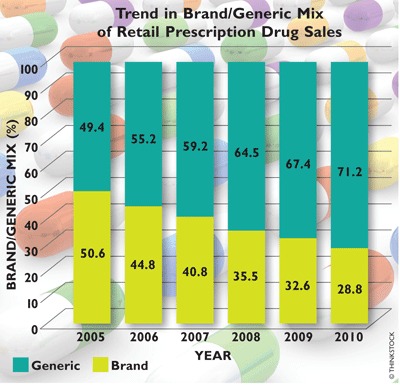
Funding also facilitates market research and marketing activities to create awareness and promote the use of generic medications. This cost advantage makes them more accessible to patients and contributes to significant cost savings for healthcare systems and insurance providers. In addition, Off-patent, off-exclusivity drugs are typically priced lower than their brand-name counterparts. Generic drugs are typically more affordable than their brand-name counterparts and provide similar therapeutic effects. AI and ML can also predict therapeutic actions and compare them with brand-name drugs.
Office On Drugs And Crime
Research and development areas are emerging that require significant expenditure to find more effective treatments and therapies. Billions of dollars are invested in the pharmaceutical sector every year. The pharmaceutical sector is one of the most important industries. Governments worldwide are also supporting the industry by funding research and expediting drug approvals. Beyond Market Insights is a leading provider of comprehensive market research and industry intelligence.
They may proactively switch patients to generic alternatives to take advantage of the cost savings. This increased competition promotes price transparency and drives down the cost of medications, benefiting patients and healthcare systems. When a patent expires, generic manufacturers can legally produce and distribute their drug versions, often at significantly lower prices.
How Is AI Impacting The Drugs Market?
The traditional method of pharmaceutical production, known as batch manufacturing, is an inefficient, multi-step process with significant downtime between stages. These innovations offer a path to greater efficiency, higher quality, and faster speed-to-market. A biosimilar is a biological medicine that is highly similar to an already approved reference biologic, but not identical, due to the inherent complexity and variability of manufacturing large molecules in living systems.41 This distinction is critical, as it places biosimilars in a different regulatory and commercial category than traditional small-molecule generics. Instead, they are actively moving up the value chain, embracing product complexity and leveraging technological innovation to create more defensible market positions.
Regional Outlook For The Global Pharmaceutical Drugs Market
Also, government programs are making Indian drugs affordable and high-quality. Increased investment in R&D and a significant rise in clinical trials bolster the growth of the market in the region. This is mainly due to the increased prevalence of chronic disease, high demand for personalized medicine, an aging population, and the adoption of automation in drug discovery. North America dominated the global market by capturing the largest share of 42% in 2024.
KEY MARKET INSIGHTS
The subsequent section brings in the human element, exploring patient and physician perspectives that are crucial for market adoption. A detailed regional analysis follows, offering deep dives into the distinct market landscapes of North America, Europe, and Asia-Pacific. Finally, they must master the intricate complexities of a varied global regulatory and commercial landscape. They must build resilient and agile supply chains, balancing the historical pursuit of low-cost production with the new geopolitical necessity of supply security.
- Costa declined to identify countries or banks that may have received any drug money, saying that would be inappropriate because his office is supposed to address the problem, not apportion blame.
- The integration of omni-channel strategies is becoming increasingly important for retail drug providers aiming to enhance customer experiences and expand their reach.
- The U.S. healthcare system encourages the use of generic drugs through various policies and initiatives.
- This divergence forces global players to operate not as single monolithic entities, but as a federation of highly specialized regional businesses, each tailored to the unique demands of its local market.
- The market’s structure creates a direct and unavoidable tension between the opportunity for growth and the threat of unprofitability.
Such effective administration of therapeutics often allows for the appropriate treatment and management of critical diseases, leading to improved clinical outcomes. Also, a number of therapeutics used in the treatment of critical diseases, such as cancers and orphan diseases, can only be administered intravenously by trained medical professionals. For instance, Abiraterone used in the treatment of prostate cancer can cost the patient USD 10,000 per month at its lowest and not even cure the disease. Moreover, the high emphasis on shifts to homecare settings by patients, along with uptake in the use of biosimilar, a large pipeline of new increased approvals of specialty medications by regulatory authorities, further propelled the drug's adoption. Also, the disruption caused by the COVID-19 pandemic to international supply chains led to high-profile shortages of critical medications and decline in drug expenditures across the globe. These disorders include types of cancer, cardiovascular diseases, diabetes, and also orphan disease.
While international free trade continues to expand the volume of legal trade, the ability to detect and interdict drug trafficking is severely diminished. However, free trade also increases the sheer volume of legal cross-border trade and provides cover for drug smuggling—by providing ample opportunity to conceal illicit cargo in legal trade. Additionally, extensive free trade among states increases cross-border drug enforcement and coordination between law enforcement agencies in different countries. Currently, the structure and operation of the illicit drug industry is described mainly in terms of an international division of labor.
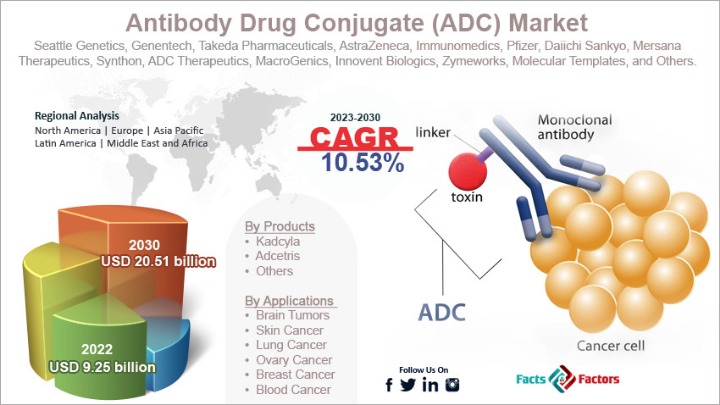
A prime example of such a strategic move by a market player includes BioMarin, a key pharmaceutical company involved in the development of rare diseases therapies. These factors are anticipated to drive the global market growth during the forecast period. The U.S. FDA particularly approved these generic equivalents to improve drug competition and to also encourage the increasing adoption of these low-cost drug equivalents. An increasing number of key manufacturers are shifting their focus toward developing drugs to treat rare diseases. Moreover, rising R&D initiatives for the development and launch of COVID-19 treatment drugs by major players surged the demand for vaccines and orphan drugs among the population.